Chiller Freezer Repair in KL | Before Your Stock Warms
- Same day priority for stock at risk
- After hours line for kitchens and 24 hour operations
- Written repair reports on completion for HACCP and insurance
Priority
After Hrs
Reports
Chiller & Freezer Repair for KL Kitchens and Businesses
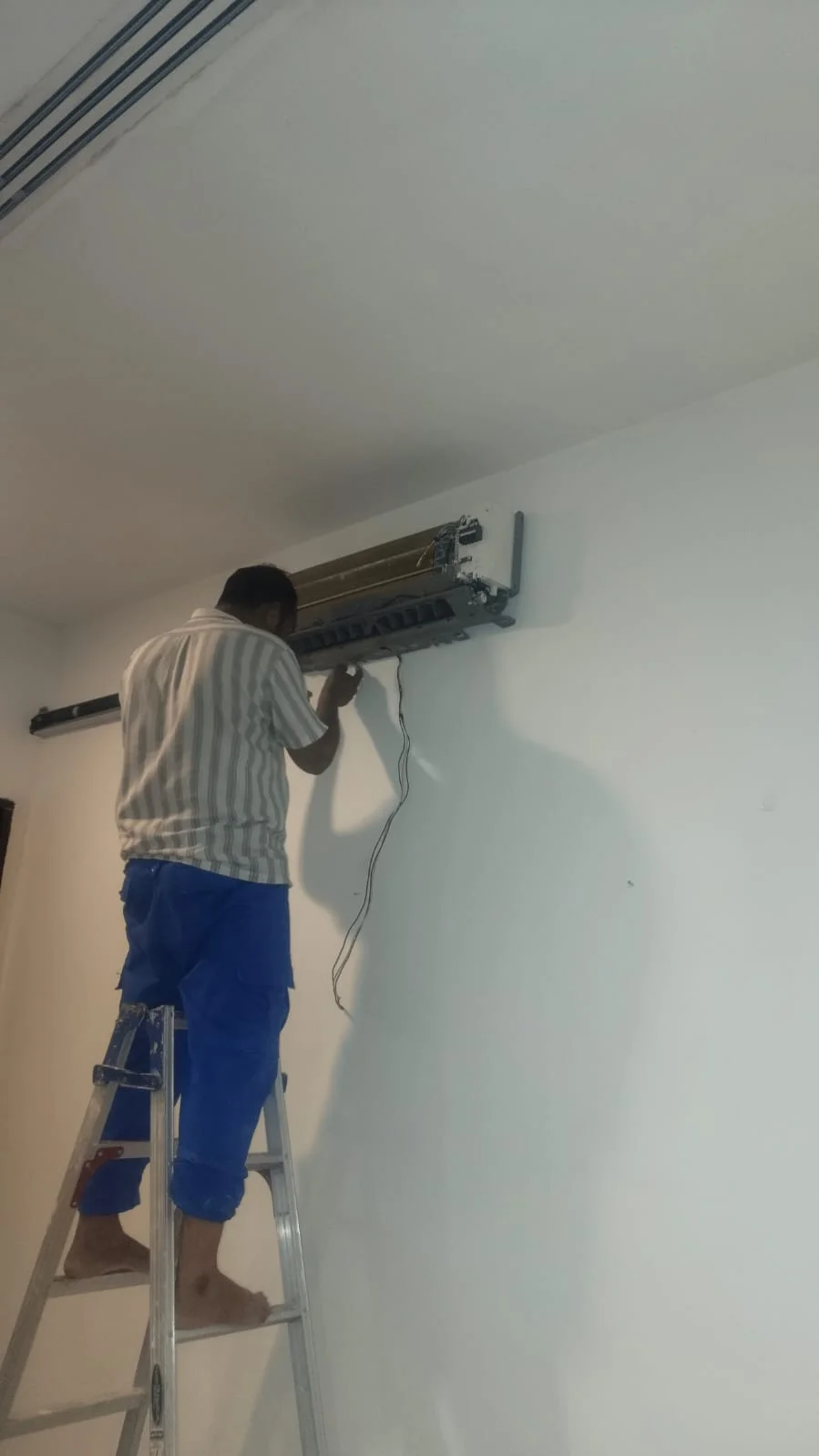
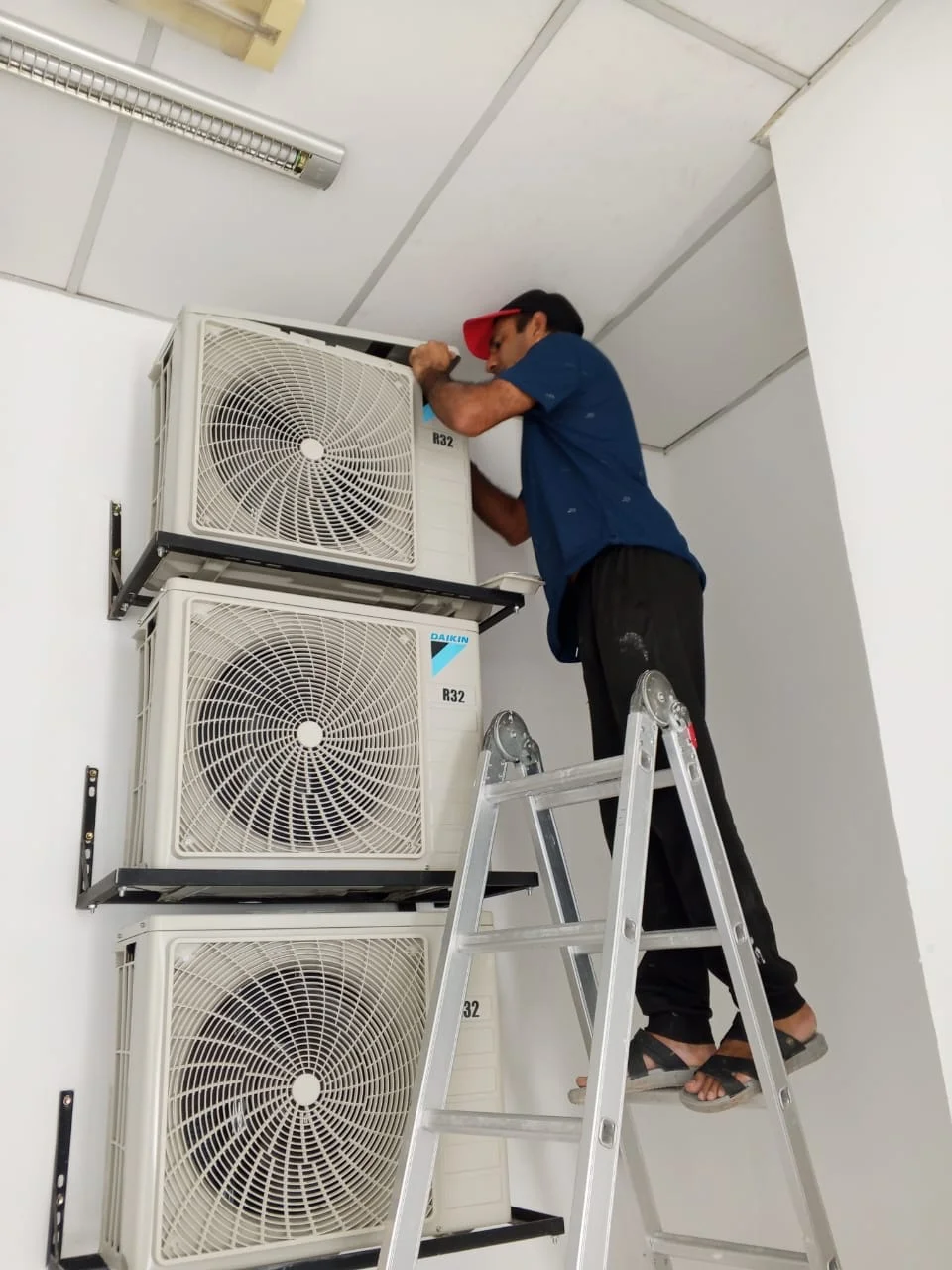
KL Cool Care runs a dedicated refrigeration team trained specifically on storage and blast cooling equipment. That focus matters because a technician who repairs household fridges all day does not think about ninety minute cook to chill compliance, and a general handyman does not read blast cycle logs. Our team does both.
Storage Chillers and Freezers We Repair

Upright Commercial Freezers
Single, double, and triple door reach in freezers for restaurant back of house, bakeries, and food processing. Cooling loss, compressor faults, and door seals.

Chest Freezers
Small to large chest freezers for warongs, mini markets, canteens, and catering. Thermostat failure and gasket wear top the list.

Combined Chiller Freezer Units
Split cabinet units with separate chill and freeze compartments, common in cafes and small restaurants where floor space is tight.

Blast Chillers
Units that pull hot food from around 70°C down to 3°C inside 90 minutes for food safety compliance. When the cycle slips, it fails HACCP.

Blast Freezers
Higher powered units pulling food down to minus eighteen for bakeries, ice cream producers, and central kitchens. Program and sensor faults show first.

Ice Cream Freezers
Chest and upright units holding minus eighteen or lower under warm KL ambient. Compressor and evaporator load runs high.

Cold Room Service and Repair
Walk in cold rooms and freezer rooms for restaurants, butchers, bakeries, and small warehouses. Refrigerant, evaporator, condenser, defrost cycle, and door heater checks on every visit.

Commercial Refrigeration Repair
Display chillers, reach in fridges, prep tables, and beverage coolers for cafes, restaurants, and retail. Compressor, condenser, thermostat, and gas issues repaired on site whenever parts allow.

Restaurant Equipment Repair
Commercial ovens, ice makers, under counter chillers, and prep line refrigeration. One trusted number for the mix of appliances your kitchen depends on every service.
Chiller Faults Versus Freezer Faults
Chiller Specific
Condensate management issues, drain line blockages, humidity buildup causing surface condensation, and defrost timing errors during compressor off periods.
Freezer Specific
Excessive frost on the evaporator, defrost heater burn out, door gasket cracking from cold cycling, internal ice, and start capacitor failure under cold starts.
Shared Faults
Compressor short cycling, condenser coil dirt, fan motor failure, refrigerant leaks, and controller drift affect both types equally.
Common Faults We Repair
Not Maintaining Temperature
The most urgent call. Chillers drifting above 4°C or freezers above minus eighteen put stock at immediate risk.
Excessive Frost or Ice
Points to defrost heater failure, a defrost timer fault, damaged door seals, or thermostat problems.
Compressor Short Cycling
Cycles on and off rapidly without holding temperature. Refrigerant charge, control board, or a failing pressure switch.
Fan Motor Not Turning
Evaporator or condenser fan failure kills cooling within hours. Bearing seizure, motor burn out, or a failed capacitor.
Door Seal Failure
Damaged gaskets pull warm air in, force the compressor to overrun, and drive up electricity long before the unit fails.
Loud Noise or Vibration
Compressor mount failure, fan blade damage, or refrigerant flow noise from a low charge — each a different fix.
Digital Controller Drift
Modern units use digital controllers that drift out of calibration. Recalibration or replacement handles it.
Alarm Not Working
Silent temperature alarms are worse than loud broken ones. Alarm circuit verification is part of every service call.
Blast Chiller & Blast Freezer Specific Issues
Our Chiller & Freezer Repair Process
Priority Booking
On Site Diagnosis
Written Quote
Repair & Recovery
Written Report
Brands We Service
Why Choose KL Cool Care
Refrigeration Focused
Our team works refrigeration daily. Blast cycle logic, defrost programming, and gasket geometry are their normal work.
Written Reports
Every job ends with documentation useful for HACCP audits, stock loss claims, and maintenance history.
Same Day + After Hours
Calls before 2 PM usually same day. Stock at risk jumps the queue. After hours line covers night operations.